Multi Spring Seals About
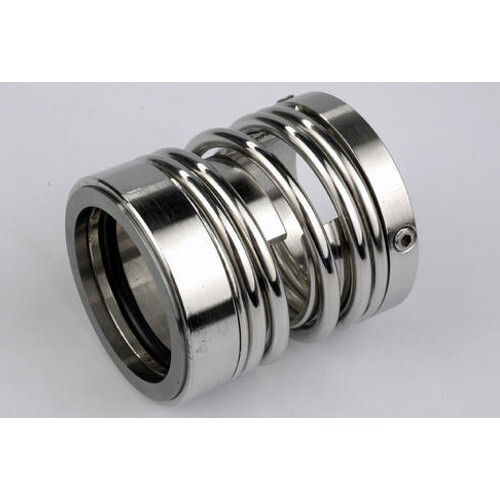
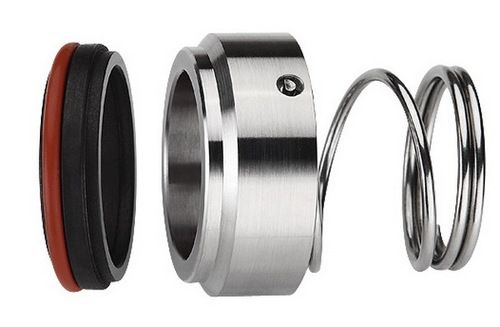
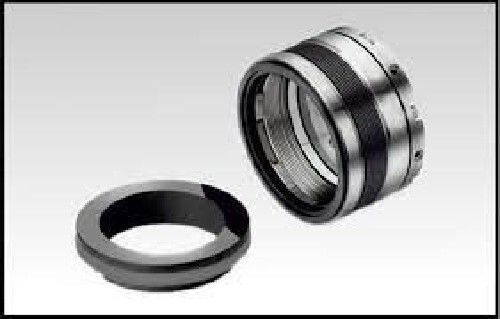
Multi Spring Seals can be used in various industries for different applications. As per the requirement of the products it can be used as single, back to back, face to face or tandem arrangement. Multiple spring usage puts uniform force over the faces hence increasing seal life. Most of the components are interchangeable, hence it proves economical and easy to maintain. All components are held together by snap ring which helps in easier installation and removal.
Superior Leakage Protection and DurabilityEngineered for zero leakage, these multi spring seals use a fine lapped seal face finish (Ra < 0.5 m) and premium elastomers to ensure long-lasting performance even under high pressure (up to 25 bar) and high-speed conditions (up to 25 m/s). The combination of advanced materials and multiple springs delivers uniform torque, extending service life and reliability for any rotating equipment.
Flexible Application and Mounting OptionsOur seals offer both externally and internally mounted styles, making them adaptable to diverse installation scenarios. The compact construction with interchangeable faces facilitates quick replacement and minimal downtime, while the ability to accommodate moderate shaft misalignment further enhances operational flexibility in pumps, compressors, agitators, and other rotating machinery.
Wide Compatibility for Challenging EnvironmentsSelect from a wide range of face materials - Carbon, Ceramic, Silicon Carbide, Tungsten Carbide - matched with top-tier elastomers (Viton, EPDM, PTFE, FFKM) and metals (SS316, Hastelloy-C, Alloy-20, Titanium). This versatility ensures compatibility with aggressive chemicals and harsh operating conditions, making the seals suitable for chemical, petrochemical, oil & gas, and pharmaceutical industries.
FAQ's of Multi Spring Seals:
Q: How does the multi spring design enhance seal performance?
A: Multi spring seals utilize several evenly distributed springs, which provide consistent face loading and uniform torque transmission. This design compensates for normal wear, pressure variations, and moderate shaft misalignment, resulting in improved sealing efficiency and extended service life.
Q: What are the key benefits of carbon vs ceramic, silicon carbide, or tungsten carbide face combinations?
A: Carbon vs ceramic provides excellent chemical resistance and is suitable for moderate applications. Silicon carbide and tungsten carbide faces offer outstanding hardness and durability, ideal for abrasive or high-pressure environments, reducing wear and ensuring longer seal longevity.
Q: When should I use externally mounted versus internally mounted multi spring seals?
A: Externally mounted seals are preferred when easy access and maintenance are required, while internally mounted designs are chosen for space constraints or in applications where the seal is exposed to the process fluid. The choice depends on system design and operational requirements.
Q: Where are multi spring seals commonly used?
A: These seals are widely applied in industries such as petrochemical, chemical, fertilizers, oil & gas, pharmaceuticals, and water treatment, particularly in equipment like pumps, compressors, and agitators, where reliability and zero leakage are crucial.
Q: What is the installation process for compact, interchangeable face seals?
A: Installation involves selecting the suitable mounting (internal or external), ensuring the shaft and seal components are clean, placing the seal assembly onto the shaft, and securing it per manufacturer guidelines. The interchangeable face design simplifies replacement and reduces equipment downtime.
Q: How do the material options contribute to the seal's chemical and temperature resistance?
A: Material choices like SS316, Hastelloy-C, Titanium, and advanced elastomers (PTFE, FFKM) enable the seal to withstand aggressive chemicals, wide temperature ranges (-20C to 200C), and meet demanding operational conditions without compromising sealing performance.
Q: What are the main usage and operational advantages of these multi spring seals?
A: Key advantages include zero leakage, operational compatibility up to 25 bar pressure, high-speed capacity (up to 25 m/s), bi-directional rotation suitability, and the ability to handle shaft misalignment. This makes them a reliable choice for critical process applications.





 Send Inquiry


 Send Inquiry